Before the First Check: Seven Signs a Cameroon Community Partnership Can Endure
Proposal polish is easy to buy. Readiness is harder to fake. For US donors and diaspora groups reviewing Cameroon community partnerships in 2026, the most useful questions are not about the quality of the cover page. They are about whether the organization has the habits and structures to keep a partnership going after the first wire transfer. The seven signals below are not a scorecard. They are conversation starters for pre-grant due diligence.
1. Local Co-Funding Appears in the Budget
A partnership built to last usually has something at stake on the community side. Look for a budget line that shows local contribution, whether cash, land, labor, meeting space, or volunteer time. The signal is not the size of the contribution but the fact that it is named and valued. Ask how the value was calculated and who confirmed it. Be cautious if every contribution is in-kind and valued at an implausibly high rate. US donors should treat local co-funding as evidence of ownership, not as a discount.
2. Member Meetings Leave a Paper Trail
Ask for redacted minutes from recent general meetings or community assemblies. A ready partner can show dates, attendance, and decisions. The minutes should show that members approved the partnership, the contribution, and the broad use of funds. If the organization has no record of member meetings, ask how community consent is obtained. A single letter from a local authority is not the same as documented member participation.
3. Maintenance Has a Named Owner and a Funding Line
Equipment, buildings, and training systems all need upkeep. A maintenance plan should name who fixes what, how spare parts are sourced, and which budget line pays for repairs. For a health center or water point, ask who the local technician is and how they will be paid. A plan that ends with the construction phase is a warning sign. US funders should ask for the maintenance plan before the grant, not after the ribbon is cut.
4. Women and Youth Have Real Roles
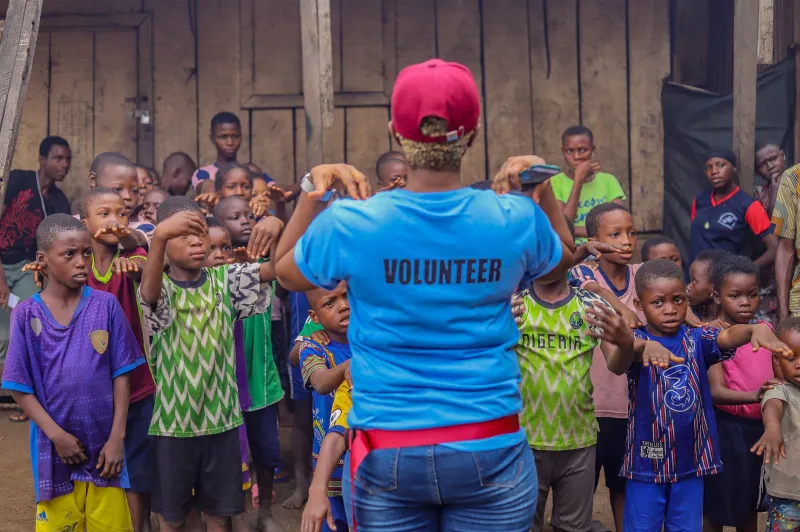
Photos of women and youth at a project launch are not evidence of inclusion. Look for names, titles, and decision-making roles. How many women serve on the board? Do young people hold paid positions or only volunteer roles? Are training sessions scheduled at times they can attend? A strong proposal will show inclusion in staffing, leadership, and budget lines, not only in the narrative.
5. Bank Controls Are Boring and Transparent
Good financial controls are usually dull. Ask for the written policy on signatories, thresholds, reconciliation, and audits. The partner should be able to explain who signs checks, who reviews statements, and what happens when a signatory is unavailable. A two-signature rule is helpful, but it is not enough if the same person reconciles the account. For US donors sending wire transfers, confirm the bank account name matches the organization and that changes are confirmed through a second channel.
6. References Check Out Beyond the Usual Circle
Ask for three references: one from another funder, one from a local institution, and one from a community member. Then call them. Ask specific questions about past promises kept, reporting timeliness, and how the organization handled a disagreement. A ready partner will provide contacts without hesitation. Be wary if every reference is a personal friend or if no one can describe a past challenge honestly.
7. The Exit Plan Is Honest About What Will Remain
Sustainability language can hide a simple question: what happens when the grant ends? A strong exit plan names who will own assets, who will pay for upkeep, and which activities will continue without external funds. It should also say what will stop. An honest plan that admits a service will close is more useful than a vague promise that everything will continue. US donors should ask for the exit plan in writing and revisit it at each renewal.
Using the Signals Without Turning Them Into a Test
No small organization will show all seven signals perfectly. The purpose of the checklist is to identify gaps early and decide whether they can be addressed during the grant. A missing maintenance plan can be a condition of the first disbursement. Weak member records can be improved with a simple meeting log. What should not be ignored is a pattern of evasion. If the partner cannot explain bank controls or refuses references, the risk is not administrative. It is structural.
For US funders and diaspora groups, the most durable partnerships are not the ones with the longest proposals. They are the ones where local ownership is visible before the money arrives. In 2026, Term Together Cameroon encourages donors to ask these seven questions early, write down the answers, and let the responses shape the terms of the grant.