Term Together Cameroon Shared terms, local progress, lasting community.

Term Together Cameroon

Shared terms, local progress, lasting community.

Latest Articles

The Serviceable Gift: A Spare-Parts Covenant for US Equipment Donated to Cameroon
Partnership Strategy

The Serviceable Gift: A Spare-Parts Covenant for US Equipment Donated to Cameroon

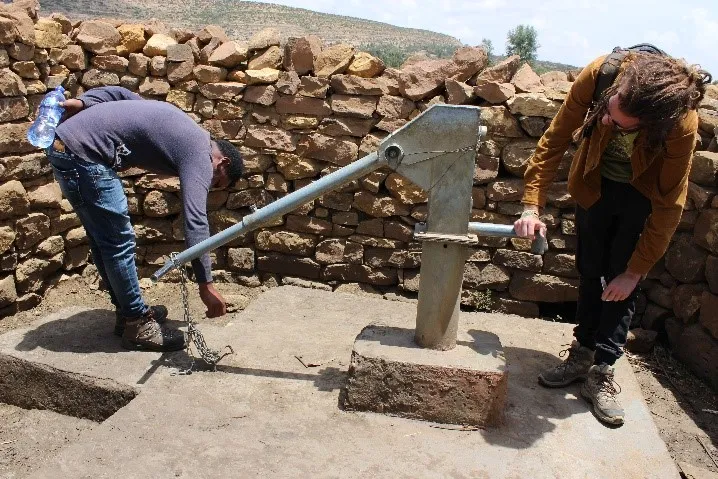
A donated water pump, solar kit, or clinic device is only as useful as the community's ability to repair it. This article proposes a serviceability covenant for US–Cameroon partnership agreements—covering local repair pathways, consumables budgets, bilingual equipment records, and named custodians trained before handover.
Transport, Meals, and Mandate: Budgeting Community Attendance in Cameroon
Partnership Strategy

Transport, Meals, and Mandate: Budgeting Community Attendance in Cameroon

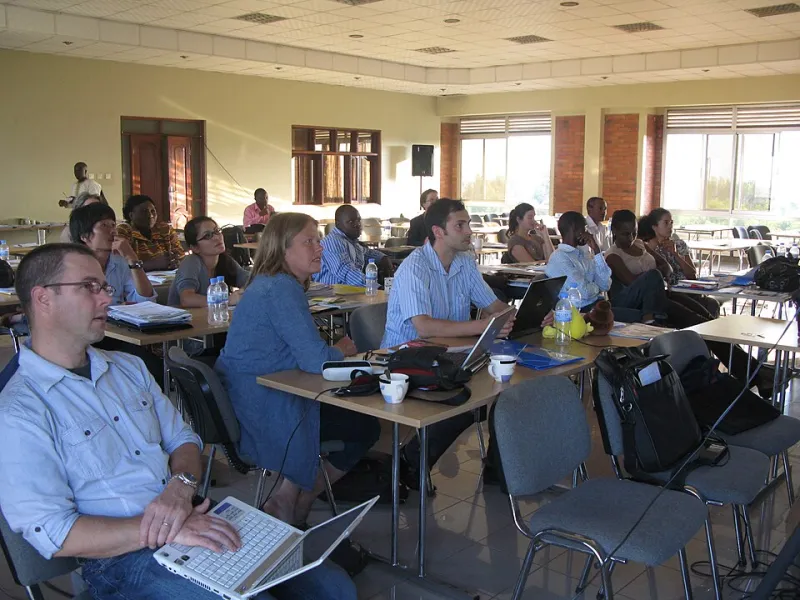
A practical framework for writing meeting-cost terms that help Cameroon community members participate without turning attendance into a transaction. The article sets out payment thresholds, a model clause, and red flags that a US partner is buying consent rather than enabling access.

The Return Trip as Evidence: A Second-Visit Protocol for US–Cameroon Partnerships
Partnership Strategy

The Return Trip as Evidence: A Second-Visit Protocol for US–Cameroon Partnerships

First visits reward hospitality and enthusiasm; return visits reveal whether ownership, maintenance, and communication survived the departure of the visiting team. This protocol gives US funders and volunteer groups a structured way to read continuity six to twelve months later—and to convert those findings into term-sheet clauses before signing.

Guests with Obligations: A Duty-of-Care Compact for Visiting US Volunteer Teams in Cameroon
Partnership Strategy

Guests with Obligations: A Duty-of-Care Compact for Visiting US Volunteer Teams in Cameroon

Short-term US volunteer teams can bring useful skills and genuine goodwill to Cameroon, but unstructured visits can leave hosts carrying hidden costs, unclear supervision, and safeguarding risks. This article outlines a practical volunteer compact that sets role limits, host authority, health planning, expense rules, and a respectful exit before anyone boards a plane.

Before the Multiyear Grant: A Term Sheet for a Ninety-Day Cameroon Pilot
Partnership Strategy

Before the Multiyear Grant: A Term Sheet for a Ninety-Day Cameroon Pilot

A short, bounded pilot can give US funders and Cameroonian community organizations a shared view of how a partnership actually works before either side commits to a multiyear program. The right term sheet sets indicators, a modest budget, scheduled check-ins, decision gates, and a no-blame exit that preserves the relationship.

The Treasurer's Phone Is the Treasury: Mobile Money Terms for US–Cameroon Partnerships
Partnership Strategy

The Treasurer's Phone Is the Treasury: Mobile Money Terms for US–Cameroon Partnerships

For many Cameroonian community organizations, MTN MoMo and Orange Money are not a convenience—they are the bank. US partners who leave the payment rail to improvisation invite avoidable disputes. This guide sets out the clauses that make small digital transfers auditable, secure, and reconcilable.

The Gift and the Ledger: Budgeting Customary Courtesy in US–Cameroon Partnerships
Partnership Strategy

The Gift and the Ledger: Budgeting Customary Courtesy in US–Cameroon Partnerships

Customary greetings and small protocol gifts are part of doing business respectfully in Cameroon, yet they rarely appear in a US grant budget. This article outlines a transparent courtesy budget that separates hospitality from improper payments, satisfies anti-bribery and grant-compliance rules, and gives partners clear term-sheet language for 2026.

A Staircase, Not a Courthouse: Sequencing Dispute Resolution in US–Cameroon Partnerships
Partnership Strategy

A Staircase, Not a Courthouse: Sequencing Dispute Resolution in US–Cameroon Partnerships

A court clause is a destination, not a route. For community partnerships spanning the United States and Cameroon, a tiered dispute-resolution ladder can preserve relationships while still producing enforceable outcomes. This guide outlines stages, triggers, documentation, and timelines that both sides can accept.

The Admin Password Is Not a Handshake: Digital Custody Rules for US–Cameroon Coalitions
Partnership Strategy

The Admin Password Is Not a Handshake: Digital Custody Rules for US–Cameroon Coalitions

Most US–Cameroon partnerships now live inside a WhatsApp group, a shared drive, and two or three social accounts that nobody formally owns. This article sets out term-sheet language for platform administration, account succession, privacy boundaries, and archiving, so the partnership's records survive a change of coordinator, a change of phone, or a closeout.

A Shared Risk Schedule: Insurance Terms That Protect Cameroon Partnerships Without Pricing Them Out
Partnership Strategy

A Shared Risk Schedule: Insurance Terms That Protect Cameroon Partnerships Without Pricing Them Out

Insurance should make a US–Cameroon partnership more durable, not less accessible. This article proposes a shared risk schedule that assigns property, liability, volunteer accident, and weather-related risk deliberately, with clear terms for premiums, claims evidence, and local ownership.

Evidence That Holds Up: A Documentation Compact for US–Cameroon Community Partnerships
Partnership Strategy

Evidence That Holds Up: A Documentation Compact for US–Cameroon Community Partnerships

US-funded community projects in Cameroon rarely fail because records are missing; they fail because the records do not connect. A documentation compact agreed in the term sheet can define acceptable proof of payment, in-kind contributions, and local expenses without forcing a US accounting model onto a local context.

What Happens After the Applause: A Maintenance Reserve for Cameroon Community Projects
Partnership Strategy

What Happens After the Applause: A Maintenance Reserve for Cameroon Community Projects

A ribbon-cutting is a midpoint, not an ending. This article explains how US funders and Cameroonian community partners can write a maintenance reserve, technician schedules, warranty handoffs, and annual repair reviews into the original agreement so the quiet years do not become the forgotten years.

Continuity Before Connectivity: Power and Network Terms for US–Cameroon Partnerships
Partnership Strategy

Continuity Before Connectivity: Power and Network Terms for US–Cameroon Partnerships

American funders often draft Cameroon partnership terms around an assumption of steady power and dependable broadband. A few precise clauses on backup infrastructure, communication delays, and outage-day costs can keep reporting, payments, and community meetings on schedule without stripping local partners of control over the equipment they will actually maintain.

Who Answers First? Time-Zone Governance for US–Cameroon Partnerships
Partnership Strategy

Who Answers First? Time-Zone Governance for US–Cameroon Partnerships

A US–Cameroon partnership can lose weeks not to disagreement but to the hours between decisions. This article outlines term-sheet language for meeting rhythms, response windows, and delegated authority so that urgency is shared rather than assumed.

Many Hands, One Signature: Structuring US–Cameroon Partnership Terms Around Cooperative Bodies
Partnership Strategy

Many Hands, One Signature: Structuring US–Cameroon Partnership Terms Around Cooperative Bodies

US organizations tend to draft agreements as though a Cameroonian community were a single corporation with one board and one signature card. Most communities actually act through farmer cooperatives, savings circles, and informal associations whose authority is distributed and carefully bounded. This article sets out the terms that recognize that structure rather than overwrite it.

Whose Word Binds the Community? Authority Checks for US–Cameroon Partnership Agreements
Partnership Strategy

Whose Word Binds the Community? Authority Checks for US–Cameroon Partnership Agreements

A charismatic local leader can open doors, but a signature only binds a community when the signer has clearly defined authority. This article outlines how US partners can use representation clauses, mandate letters, and practical authorization checks to confirm who may commit land, labor, and shared assets in Cameroon.

The Rate Between Us: Currency Terms for US–Cameroon Partnerships in 2026
Partnership Strategy

The Rate Between Us: Currency Terms for US–Cameroon Partnerships in 2026

US-funded Cameroon partnerships often approve budgets in dollars while daily obligations are settled in CFA francs. This article outlines practical term-sheet language for conversion, payment timing, inflation buffers, and shared currency risk in 2026.

Calendar Before Contract: Giving Cameroon's Wet Season a Seat at the Planning Table
Partnership Strategy

Calendar Before Contract: Giving Cameroon's Wet Season a Seat at the Planning Table

US grant calendars and Cameroonian rainy seasons rarely move at the same speed. This article outlines practical partnership terms, milestone buffers, and reporting accommodations that treat heavy rains as a planning variable rather than a late-breaking force majeure claim.

The Late Questions: Turning Afterthoughts into Cameroon Partnership Term-Sheet Clauses
Diaspora Philanthropy

The Late Questions: Turning Afterthoughts into Cameroon Partnership Term-Sheet Clauses

US funders often ask the most practical questions after a Cameroon partnership is already moving. A short term-sheet clause can answer them early, keep roles clear, and protect the shared progress both sides want.

Two Tongues, One Obligation: Making English and French Partnership Terms Match in Cameroon
Partnership Strategy

Two Tongues, One Obligation: Making English and French Partnership Terms Match in Cameroon

Cameroon’s official bilingualism is not a formatting detail for US-funded partnerships. When English and French versions of an agreement carry different meanings, reporting, consent, and maintenance obligations can quietly diverge before the first disbursement.