Two Tongues, One Obligation: Making English and French Partnership Terms Match in Cameroon
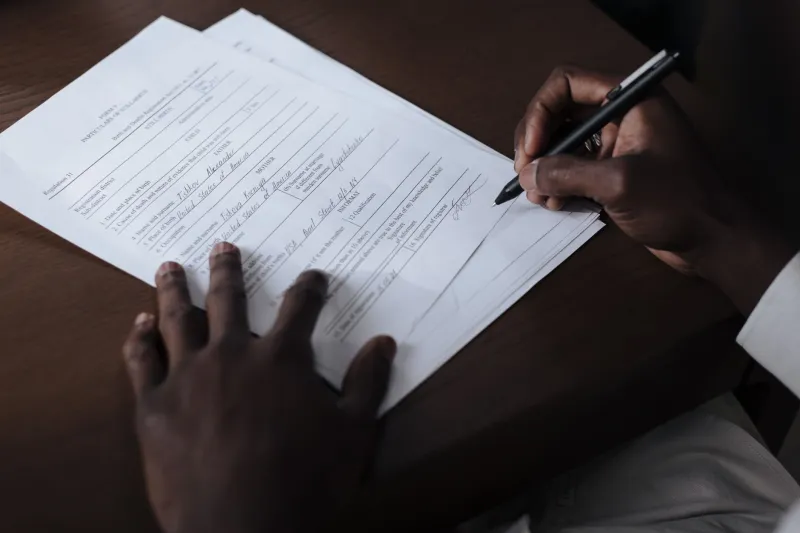
Cameroon’s official bilingual policy gives English and French formal standing in public life, courts, and administration. For a US foundation, diaspora association, or company entering a Cameroon partnership, that fact should shape the term sheet long before a translator is called. A bilingual agreement is not a courtesy copy. It is a governance instrument, and every ambiguous verb can become a budget line, a delayed report, or a dispute.
Term Together Cameroon’s editorial position is simple: shared terms should produce shared understanding. Yet bilingual drafting often fails precisely where partnerships need clarity most — in the ordinary obligations that keep a project running. US groups tend to draft in English, negotiate by email, and translate near signature. That sequence saves time early and creates avoidable friction later.
Why a Translation Is Also a Term
When an agreement says that both language versions are authentic, each version can be read as an operative statement of the parties’ duties. If the English text says reports are due monthly and the French text says reports are due within the month, the difference may seem small in a meeting. In practice, it can determine whether a payment is released, whether a funder is in breach, and whether a local partner feels accused of poor performance.
Cameroon’s legal environment adds another layer. The country operates with civil-law and common-law traditions, and local counsel may need to review language, authority, registration, and dispute provisions together. A US group does not need to become an expert in Cameroonian law to draft responsibly. It does need to budget for local review and to treat translation as part of the agreement’s risk architecture.
The Three Obligations Most Likely to Drift
Reporting
Reporting clauses are vulnerable because they combine timing, format, and evidence. English phrases such as promptly, as soon as practicable, and on a rolling basis rarely survive translation with the same operational meaning. French equivalents may be more formal, more flexible, or simply different. A term sheet should state the calendar: which day, which quarter, which format, which receipts, and which person receives the report. If the parties intend a grace period, they should name it in days rather than rely on an adjective.
Consent
Community consent is not a one-time signature. It is a process of information, discussion, and recorded agreement. In bilingual drafting, consent language can slip between accord, consentement, and approval, each carrying different assumptions about who speaks for a community and how dissent is handled. US funders should ask local counsel and community representatives to confirm the exact phrase used for consent, the body that records it, and the method for revisiting it when project conditions change.
Maintenance
Maintenance is where goodwill meets recurring cost. An English clause may require routine upkeep while a French clause refers to entretien courant, and neither may answer the practical questions: who buys spare parts, who pays a technician, how often equipment is inspected, and what standard counts as acceptable. A useful clause converts maintenance into a short schedule with responsibilities, budget source, and reporting frequency.
A Pre-Signature Checklist for US Funders
- Budget professional translation and independent local legal review before the first draft is circulated, not after the budget is fixed.
- Decide the status of each language version. If both are authentic, include a reconciliation procedure for discrepancies. If one controls, say so plainly and explain why.
- Build a defined-terms glossary for recurring words such as report, consent, completion, maintenance, community, and representative.
- Replace idioms and cultural shorthand with plain statements of who does what, by when, and with what evidence.
- Turn obligations into tables where possible: action, responsible party, deadline, document, and approver.
- Ask the local partner to read back each key obligation in their preferred language. If the explanation differs from the draft, revise the draft.
- Align reporting calendars with local holidays, harvest periods, and administrative realities rather than assuming a US fiscal rhythm.
- Name the consent record, the person responsible for keeping it, and the point at which it must be renewed.
- Set a maintenance standard with a budget line and a named role, not a general promise of good care.
- Include a change-control clause so that later modifications are written, translated, and approved in the same way as the original.
- Confirm signature authority for every organization, including local committees and diaspora intermediaries.
- Keep a translation log that records who translated each version, when, and what changed.
What Local Legal Review Should Cover
Local review is not a rubber stamp. Counsel should examine the language clause alongside dispute resolution, governing law, tax treatment, procurement rules, and the authority of local signatories. A US funder may also ask counsel to flag terms that are common in US grant agreements but awkward or unclear in Cameroon, such as representations about internal controls or audit rights. The goal is not to import a US template wholesale. It is to make the template legible to the people who must perform it.
Plain Language Is a Shared Safeguard
Plain language does not lower the legal standard. It raises the chance that both parties can explain the clause without a translator in the room. Short sentences, defined terms, and concrete examples are especially useful when English and French are both working languages but neither is the only language of community life. A clause that can be explained in a village meeting and defended in a funder’s compliance review is stronger than one that sounds impressive but cannot be paraphrased.
The Signature Test
Before anyone signs, the parties should be able to answer a simple question in both languages: what happens if a report is late, consent is questioned, or equipment breaks? If one side cannot explain the consequence, the clause is not finished. Bilingual drafting works best when it is treated as partnership design rather than translation cleanup. Shared terms begin with shared meaning, and shared meaning begins before the signature.