Calendar Before Contract: Giving Cameroon's Wet Season a Seat at the Planning Table
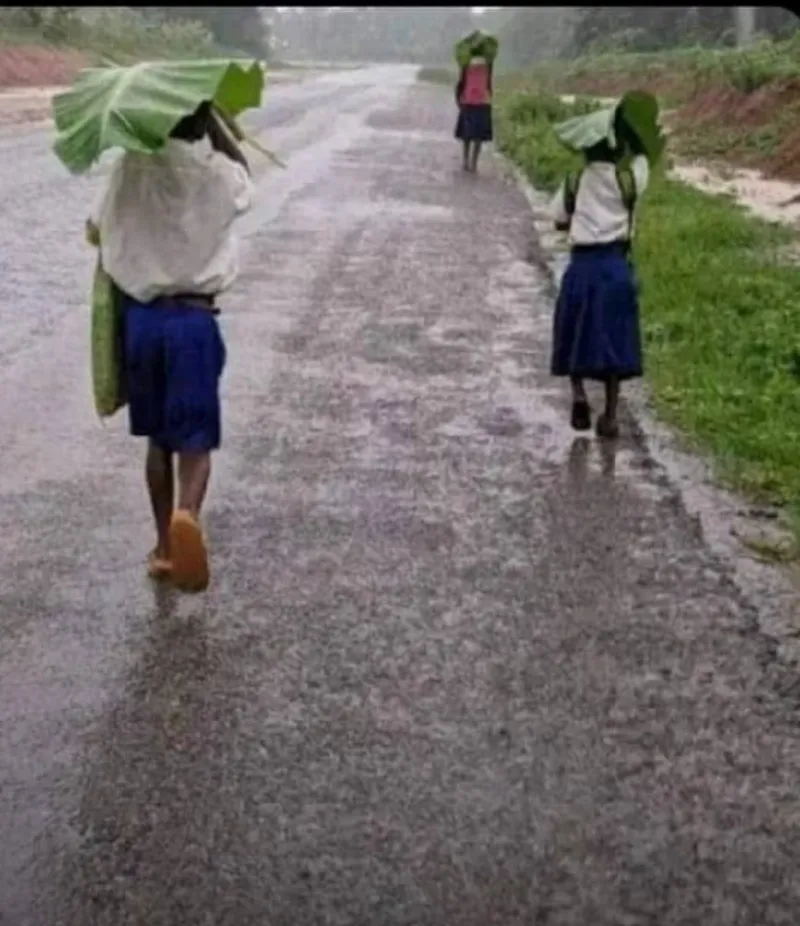
Photo: Tusasirwe Mackline, CC BY-SA 4.0, via Wikimedia Commons
A US funder approves a grant in February and expects a groundbreaking in April. A Cameroonian community partner reads the same schedule and sees the onset of the rains. Neither party is acting in bad faith. They are working from different calendars, and the partnership agreement has not yet reconciled them. This is a common and avoidable source of friction in US-funded projects in Cameroon.
Heavy rain is not an anomaly in most of Cameroon. It is the operating environment for months at a time. Yet many partnership agreements still treat weather as a surprise event to be handled through force majeure language after the fact. A better approach is to put seasonal realism into the agreement from the start, in terms that satisfy US compliance reviewers and reflect how work actually proceeds on the ground.
Why Force Majeure Is the Wrong Planning Tool
Force majeure clauses exist to allocate risk when an extraordinary event makes performance impossible. They are dispute mechanisms, not planning instruments. When a rainy season delays road access or foundation work, invoking force majeure can trigger formal notices, demands for evidence, and awkward conversations about whether the rain was truly unforeseeable. In a country where seasonal rainfall is entirely foreseeable, that argument is weak and corrosive to trust.
US compliance teams are rightly cautious about open-ended excuses for missed deadlines. Community partners are rightly frustrated by paperwork that treats ordinary weather as a crisis. The solution is not to weaken accountability. It is to write a schedule that already accounts for the weather, so that the agreement does not need to be renegotiated every time it rains.
Milestone Buffers That Compliance Can See
A seasonal buffer is not padding. It is a documented planning assumption. Rather than fixing a single completion date, the agreement can define milestone windows tied to seasonal conditions. For example: site preparation completed within 45 days of the established dry-season onset, with dry-season onset defined by reference to a named local meteorological station or a mutually agreed local authority.
US reviewers are accustomed to weather contingencies in domestic construction, where winter conditions are built into schedules. The same logic applies in Cameroon, provided the basis for the buffer is written down. A budget narrative can include a seasonal contingency line, typically a modest percentage of activity costs, with a note explaining which activities are weather-sensitive. This gives a US board or grants officer something concrete to review, rather than a vague request for flexibility later.
The key is transparency. A buffer that appears in the work plan and budget is a professional planning choice. A buffer that appears only after a missed deadline looks like an excuse.
Weather-Triggered Review Points
Not every heavy rain should stop the clock. The agreement can define specific thresholds that trigger a review rather than an automatic extension. These might include a set number of consecutive days of rainfall, a measured accumulation over a defined period, or a documented road closure on a route essential to the project.
When a trigger is met, the parties convene a short review within a stated number of days. The agenda is practical: resequencing activities, checking labor availability, assessing transport options, and confirming what reporting adjustments may be needed. The review produces a written decision, and that decision becomes part of the project record.
This approach keeps US compliance teams comfortable because it replaces improvisation with a defined process. It keeps community partners comfortable because it acknowledges reality without requiring them to prove that rain is wet.
Community Labor Calendars
A project schedule that ignores the agricultural calendar will fail in rural Cameroon. Planting, weeding, and harvest seasons draw on the same people a project may need for construction, clearing, or training. School terms, market days, and local festivals also shape availability. These are not obstacles to be overcome; they are the rhythm of community life.
A useful practice is to ask the community partner to map its own calendar early in the planning process. That map can then inform the work plan, so that heavy labor is not scheduled during harvest and training sessions do not collide with market days. Where volunteer or in-kind labor is part of the partnership, US grant rules on documentation and valuation should be discussed in advance, so that contributions are recorded properly without burdening the community.
Procurement, Transport, and Storage
Materials procurement is another area where seasonal planning pays off. Suppliers may be less available during peak rains, and transport costs can rise when roads deteriorate. Agreements can specify delivery windows that assume wet-season constraints, require early ordering of critical materials, and identify alternative routes or storage arrangements.
US procurement standards generally require competition and documentation, and those requirements do not disappear because of weather. They can, however, be planned around. Earlier solicitation and clear delivery assumptions reduce the risk of rushed purchases or single-source justifications later.
Reporting Accommodations That Hold Up
Quarterly and annual reporting timelines are often fixed by US grant agreements, and they should not be changed lightly. But a reporting framework can accommodate seasonal variance without lowering standards. A pre-approved variance note, for example, can allow a partner to explain a delayed milestone with reference to weather data, dated site notes, and photos. The report still arrives on time; the explanation is simply structured.
This is adaptive management, not excuse-making. The record shows what happened, what was decided, and how the project responded. Auditors and program officers can follow the trail.
A Practical Clause Set
A partnership agreement need not be lengthy to be seasonal. It should define the rainy season by region, express milestones as windows where appropriate, establish weather-triggered review points, name decision-makers, require a short written decision log, and note any reporting accommodations. It should also include a modest, documented contingency line where weather-sensitive activities justify it.
Plain language helps, and bilingual consistency matters in Cameroon. If the agreement exists in English and French, the seasonal definitions and trigger thresholds should match in both texts.
Respecting the weather is not a concession to weakness. It is a recognition that a schedule is only useful if it describes the conditions under which people actually work. US funders gain predictability and a cleaner audit trail. Community partners gain a plan they can meet. The rains will come regardless; the agreement should be ready for them.