What Happens After the Applause: A Maintenance Reserve for Cameroon Community Projects
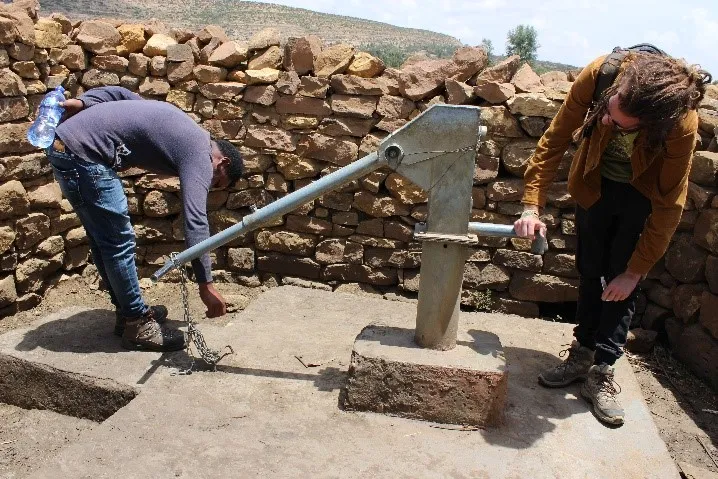
Photo: Jan Nyssen, CC BY-SA 4.0, via Wikimedia Commons
The ribbon falls. The photographs are taken. The visiting delegation boards its flight, and the community turns to the work that rarely appears in a grant narrative: replacing a pump seal, clearing a blocked drain, sourcing a solar battery, paying a technician to travel from the provincial capital. These are the quiet years of a community project, and they arrive long after most US-funded budgets have closed.
A project that cannot be maintained was never truly finished. For US–Cameroon partnerships, the maintenance reserve is not an administrative leftover. It is a term of the agreement, as essential as the construction schedule or the procurement clause. The purpose is simple: to make sure that the people who live with the project every day have the means, the schedule, and the authority to keep it working.
The Cost of the Quiet Years
Capital budgets tend to be visible. They pay for materials, labor, training, and the ceremonial opening. Upkeep is less visible and therefore easier to postpone. In Cameroon, the quiet years bring specific pressures: spare parts that must be ordered through regional suppliers, technician time that must be compensated, seasonal rains that test roofs and access roads, and equipment that was never designed for a long supply chain.
A maintenance reserve is a dedicated pool of funds set aside at the start of the project and governed by the partnership agreement. It is not a contingency line for construction overruns. It is not a slush fund for emergencies. It is a scheduled commitment to the ordinary, repetitive, unglamorous work of keeping a shared asset useful.
A Reserve, Not a Remainder
Too often, maintenance is funded from whatever remains at closeout. That approach makes upkeep a residual category, competing with final reports and audit costs. A better term is a reserve with a defined purpose and a defined drawdown rule.
The agreement should state the size of the reserve, the currency in which it is held, and the period it is intended to cover. A common approach is to calculate a percentage of the capital budget and spread it across the first five years of operation. The exact figure should be agreed with the community body that will manage the asset, not imported from a US template. The reserve should be held in an account accessible to the local management committee, with dual signatories and a reporting requirement to both partners.
Just as important is the replenishment rule. If the reserve is drawn down for a major repair, what happens next? The agreement should say whether the community body contributes annually, whether the US partner matches a portion, or whether a separate fundraising review is triggered. Without a replenishment rule, the reserve becomes a one-time cushion and then disappears.
Terms for the Technician on the Ground
The quiet years depend on people. A maintenance reserve without a named technician is a bank account without a purpose. The agreement should identify who performs routine upkeep, how often, and under what terms.
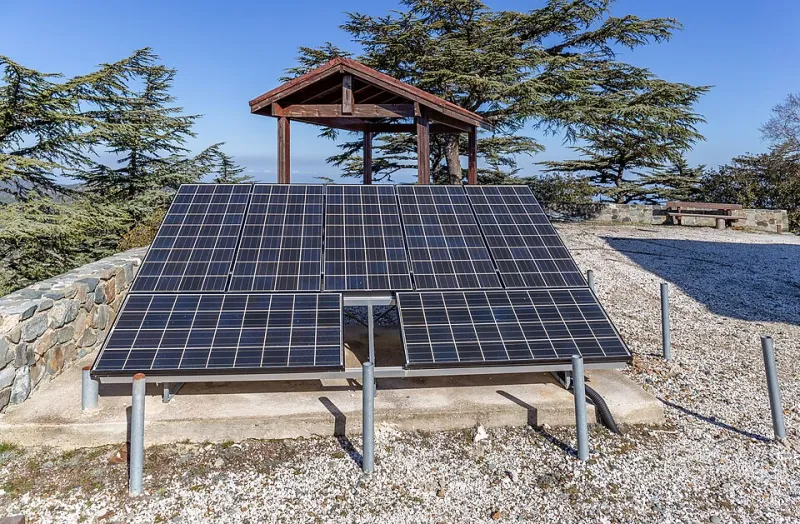
For a water point, that might mean a quarterly inspection schedule, a trained local caretaker, and a stipend for the technician who services the pump. For a community hall, it might mean annual roof and drainage checks before the rainy season. For a solar installation, it might mean battery testing and panel cleaning on a fixed calendar. The schedule should be written into the agreement, not left to good intentions.
The terms should also cover tools, transport, and record-keeping. A technician who must pay for a moto-taxi to reach a rural site will eventually stop going if the budget does not recognize that cost. A simple logbook, kept in English or French as the local committee prefers, gives both partners a shared record of what was done and what was deferred.
Warranty Handoffs Without Loose Ends
Equipment warranties are a common source of quiet failure. A pump may carry a two-year warranty, but if the serial number, purchase receipt, and supplier contact are filed in a US office, the community cannot use it. The maintenance clause should require a warranty handoff at closeout: manuals, proof of purchase, service contacts, and a written transfer of warranty rights to the community body.
This is a small term with large consequences. It also creates a natural moment for training. When the warranty documents are handed over, the supplier or installer should walk the local technician through the service points and the claims process. The handoff should be recorded in the closeout checklist and signed by both parties.
The Annual Repair Review
A reserve needs a rhythm. The agreement should establish an annual repair review, held at a predictable time each year, ideally before the rainy season. The review examines the maintenance log, the reserve balance, completed repairs, deferred works, and the forecast for the coming year. The US partner may attend remotely, but the agenda belongs to the local management body.
The review is not a audit of blame. It is a planning conversation. It asks whether the reserve is sized correctly, whether the technician schedule is realistic, and whether spare parts are available at a reasonable price. The findings should be recorded in a short joint memo and attached to the partnership file. Over time, these memos become the institutional memory of the project.
Writing It Into the Agreement
A maintenance fund clause does not need to be complicated. It needs to be specific. It should name the reserve amount or formula, the account holder, the signatories, the permitted uses, the technician schedule, the warranty handoff, the annual review date, and the replenishment rule. It should also state what happens if the community body changes leadership or if the US partner winds down its involvement.
These terms belong in the original agreement, not in a side letter added after the ribbon. When maintenance is negotiated alongside construction and procurement, it signals that both partners are planning for the same horizon. The quiet years are not an afterthought. They are the test of whether the partnership was built to last.